Francesco Giacobbe on the Australia-EU Free Trade Agreement
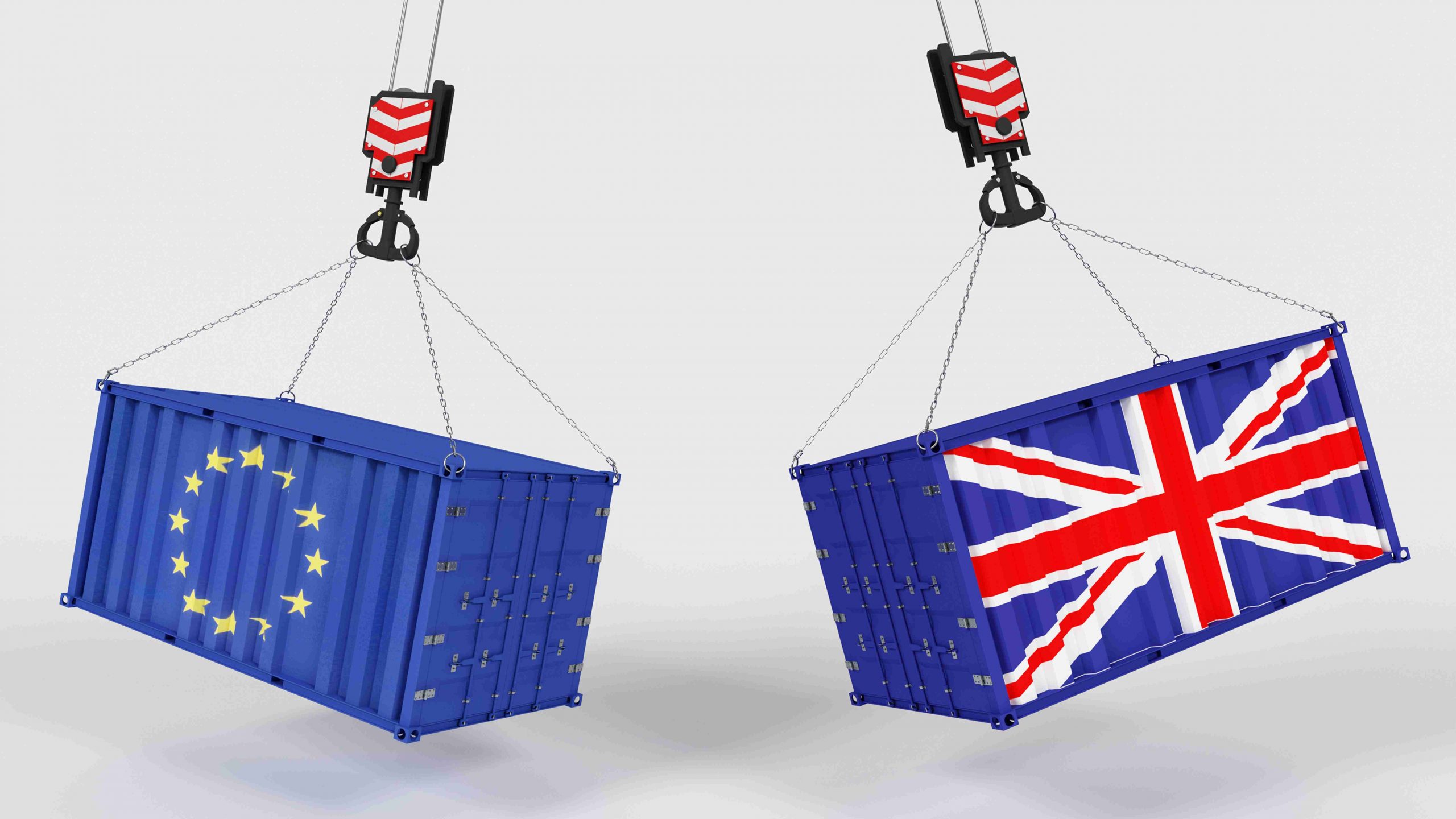
From Disruption to Opportunity: Dr Francesco Giacobbe on the strategic impact of the Australia- EU Free Trade Agreement
The Hon. Dr Francesco Giacobbe operates at a rare intersection of experience, spanning academia, international business, and public service across both Italy and Australia. Having lived and worked between the two countries since relocating to Sydney in 1982, he brings a uniquely informed perspective on the economic, political, and cultural dynamics shaping bilateral relations.
In an era defined by geopolitical tension and supply chain disruption, his insights into the Australia, European Union Free Trade Agreement (FTA), concluded in March 2026 after eight years of negotiations, offer more than policy interpretation; they provide a grounded view of how global trade is being redefined in practice.
A strategic reset for global trade
Global trade is no longer driven by efficiency alone. Resilience, diversification, and strategic alignment have become the new priorities. Against this backdrop, the recently concluded Australia–EU Free Trade Agreement represents a decisive shift in global trade dynamics.
“The agreement is extremely significant—not only from a commercial standpoint, but from a strategic one,” says Dr Giacobbe. “In a global context marked by geopolitical tensions, the return of protectionism, and the need to secure supply chains, this is a major step forward.”
For Europe—and Italy in particular—the agreement strengthens engagement with a stable Indo-Pacific partner. For Australia, it opens the door to deeper integration with one of the world’s largest economic blocs.
Strong foundations, untapped potential
The strategic importance of the agreement becomes clearer when viewed through the lens of existing trade flows. Italy is already a key European trading partner for Australia, with exports reaching approximately US$5.7 billion in 2024. These are dominated by high-value sectors such as machinery, pharmaceuticals, vehicles, and advanced manufacturing.
By contrast, Australian exports to Italy remain comparatively modest—around US$568 million in 2025—largely consisting of raw materials, including iron and steel, wool, and agricultural goods.
This imbalance underscores a familiar dynamic:
- Europe’s strength in advanced manufacturing
- Australia’s role as a supplier of primary resources
At a broader level, trade between Australia and the European Union exceeded €91 billion in 2024. Yet despite these strong fundamentals, tariffs, regulatory complexity, and fragmented supply chains have historically constrained growth.
The FTA is designed to close this gap.
From Policy to practical opportunity
One of the agreement’s most immediate impacts is the removal of over 99% of tariffs on EU exports to Australia—dramatically improving market access and cost competitiveness.
“The opportunities are both concrete and substantial,” Dr Giacobbe explains.
“It will become easier, more competitive, and more cost-effective for European businesses to access the Australian market.”
For Italian and European companies, this translates into:
- Lower export costs
- Greater certainty for long-term investment
- Stronger protection of geographical indications
- Enhanced global competitiveness
Key Sectors positioned for growth
The benefits of the agreement will not be evenly distributed—they will be concentrated in sectors where Europe and Australia are naturally complementary.
“On the industrial side: machinery, automotive, chemicals, and advanced manufacturing,” says Dr Giacobbe. “For Italy, high-value ‘Made in Italy’ sectors represent a major opportunity.”
Additional sectors poised for expansion include:
- Agri-food (wine, cheese, and premium products)
- Financial and professional services
- Maritime and logistics
- Digital and innovation industries
Critically, the agreement also aligns with long-term structural shifts.
“The combination of Europe’s industrial capabilities with Australia’s access to critical raw materials creates new opportunities—particularly in the green and digital transition.”
Building Resilient Supply Chains
Beyond trade volumes, the FTA signals a deeper transformation in how supply chains are structured.
“This agreement provides a concrete opportunity to build stronger, more diversified value chains—reducing reliance on single markets,” Dr Giacobbe notes. Australia’s growing importance as a supplier of critical minerals reinforces its strategic relevance to Europe’s industrial future.
The outcome is a shift toward:
- More secure sourcing
- Stronger bilateral partnerships
- Long-term industrial collaboration
- Greater resilience across supply chains
A Partnership beyond economics
While the economic implications are significant, Dr Giacobbe is clear that the agreement’s broader value lies elsewhere.
“This goes far beyond trade. It reflects a deeper partnership between two regions that share democratic values, a commitment to global stability, and a willingness to cooperate on common challenges.”
He also points to the Italian community in Australia as a powerful, often underappreciated bridge, strengthening ties not only economically, but culturally and institutionally.
From Agreement to Execution
Trade agreements create frameworks, but outcomes depend on execution.
Logistics and supply chain operators will play a decisive role in translating policy into real-world impact. Companies such as Avion Company Italy and Avion International Australia are positioned to facilitate this shift, enabling smoother trade flows between Europe and Australia.
“The simplified procedures introduced by the agreement will allow more efficient operations, improved service delivery, and a stronger customer focus,” Dr Giacobbe says.
A structural shift, not a short-term gain
The Australia-EU Free Trade Agreement is more than a trade deal, it is a structural recalibration of how two major regions engage in a volatile global environment.
It’s true value lies not only in tariff reductions, but in its ability to reshape supply chains, strengthen partnerships, and align long-term strategic interests.
At its core, the agreement reinforces a fundamental principle: enduring economic relationships are built not just on trade, but on trust, shared values, and strategic alignment.